 PredictionToolkit
What is ResolutionWire?
Supported authorities include Treasury, BLS, the Fed, SEC EDGAR and courts. Polling cadence depends on the source and becomes tighter around scheduled releases. Market-family pages organize coverage; each receipt combines the source document, detection time, inferred result and contemporaneous quote rather than just a headline.
The provider says both correct and incorrect calls remain in its public grading ledger. Retrieved documents retain URL, timestamp and hash, with chained daily archive commitments and verification links on proof pages. These records help audit changes, but a seal does not validate the interpretation and some recent commitments may still await publication.
Who it is for
- For researchers following scheduled releases or checking whether a specific settlement condition has been met.
- For analysts auditing document-based calls and their later venue grades.
Features and coverage
- Map a condition to evidence
Identify the authority, deciding document and exact condition for a market, then browse related market families.
- Monitor releases and receipts
Poll supported sources continuously at source-dependent intervals and inspect the source, detection time, inferred call and market quote in each receipt.
- Audit archives and grades
Inspect archived document URLs, timestamps and hashes, daily proof links and settled-call grades. The member terminal displays new detections and later venue grades.
Workflows with ResolutionWire
Follow a scheduled release
Find the market family and deciding authority, then open the original document when a call appears.
Check the exact condition
Compare the full contract condition with the quoted document and recorded detection time before accepting the inferred outcome.
Review the settled record
Use graded settled calls to review performance and keep unresolved entries separate.
Pricing and total cost
Wire Alerts and the live member terminal are advertised at $19/month. Public receipts, methodology and proof pages remain accessible without that subscription.
Getting started
Before you start: A recorded quote is historical context, not a guaranteed fill price. The reviewed service supplies evidence and alerts rather than placing orders.
- Find a market family and read its deciding-source mapping.
- Open a receipt and the original document, then review the settlement-grading ledger.
- Subscribe only if the live member terminal and alerts meet your needs.
Detecting a deciding document and official venue settlement are separate events.
Useful links
What to check
- A recorded quote is historical context, not a guaranteed fill price. The reviewed service supplies evidence and alerts rather than placing orders.
- Archive commitments reveal later changes but cannot establish correct interpretation. Recent seals may still be pending publication.
A closer look
Ratings & reviews
User reviews 0
The main score switches to user ratings after 5 published reviews.
A specific example helps the next person choose the right tool.
Related tools
Browse category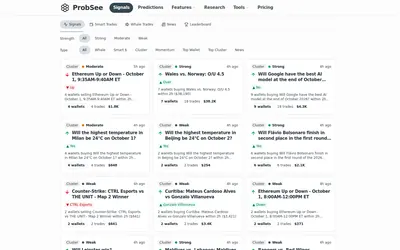

A signal wire and research assistant for public wallet activity, opposing evidence and resolution-clause checks.
- Access Web
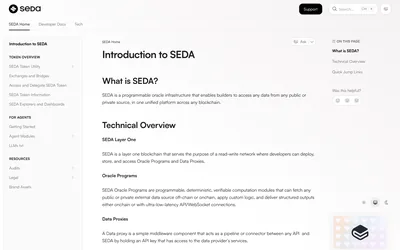
Developer infrastructure for fetching external data, applying verifiable logic and delivering structured oracle results.
- Access API
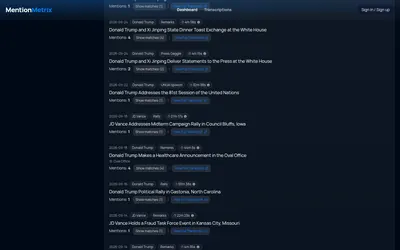

Search speech transcripts, compare speakers and formats, and inspect historical word counts for mention-market research.
- Access Web
Frequently asked questions about ResolutionWire
Are incorrect calls retained?
The provider says both correct and incorrect calls stay in the public ledger and are graded against venue settlement.
What is the main evidence?
Primary deciding documents, paired with URLs, timestamps, inferred outcomes and archived proof links.