 PredictionToolkit

What is Azuro?
An Azuro integration starts with the role you want to perform. An application builder connects an interface to protocol operations and event data, while a blockchain integration needs the relevant deployments. A liquidity provider instead studies how capital is organized, allocated and rewarded. These responsibilities are distinct even when they meet in the same ecosystem.
The documentation connects odds, virtual funds, providers and settlement with SDK and frontend resources. It also supplies subgraphs and deployment references. This is an independent infrastructure ecosystem: supported sports and liquidity functions should be assessed on their own terms, rather than treated as a Polymarket adapter or proof that every broad market concept on the landing page is implemented.
Who it is for
- Developers creating sports prediction or betting interfaces.
- Blockchain teams evaluating a prediction-market integration.
- Liquidity providers researching pool utilization, capital allocation and rewards.
Features and coverage
- Shared pools and LiquidityTree
Connect an application to shared liquidity and study how LiquidityTree organizes and allocates pool capital.
- Event and odds infrastructure
Use the supported sports-event and odds-provider infrastructure for the application’s data requirements.
- SDK and frontend toolkit
Integrate protocol operations with the maintained SDK and construct the interface with the linked frontend tools.
- Indexed activity
Read protocol activity through the documented subgraphs rather than relying only on interface displays.
- Bet and payment operations
Follow contract-integration guides for betting and payment actions.
- Resolution policies
Consult provider and oracle-resolution rules together with settlement-policy resources.
- Deployment references
Check network addresses, audits and versioned releases for the deployment you intend to use.
Workflows with Azuro
Build an application
Select a supported chain and inspect its current deployment. Connect the SDK and toolkit to the required event data, then check the resulting betting and payment flows.
Evaluate pool participation
Before supplying capital, examine pool utilization, virtual funds and reward distribution. Returns depend on actual betting and fee flows.
Trace an event lifecycle
Follow odds, accepted bets and settlement across the protocol’s defined actors, and test rejected as well as accepted and settled states.
Pricing and total cost
The public entry pages do not provide a single flat app-launch price. Protocol economics, frontend rewards, data access and chain costs depend on the integration and the role being taken.
Getting started
Before you start: Frontend, data-provider and liquidity-provider responsibilities differ.
- Choose the Applications or Blockchains development path.
- Check the applicable deployment addresses and versions.
- Read the betting model and settlement rules.
- Build a small integration using the SDK and indexed data.
- Test accepted, rejected and settled event states.
- Review the economic arrangement for your frontend or pool role.
Define the responsibilities of the frontend builder, data provider and liquidity provider before joining their flows.
Useful links
What to check
- Frontend, data-provider and liquidity-provider responsibilities differ.
- Documented sports and liquidity functions do not establish support for every broader market concept in promotional material.
- Pool returns depend on actual protocol betting and fee flows.
- A newer toolkit release may not be compatible with every older deployment.
A closer look
Ratings & reviews
User reviews 0
The main score switches to user ratings after 5 published reviews.
A specific example helps the next person choose the right tool.
Related tools
Browse category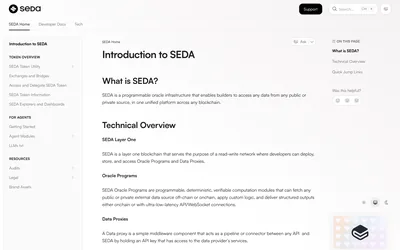
Developer infrastructure for fetching external data, applying verifiable logic and delivering structured oracle results.
- Access API
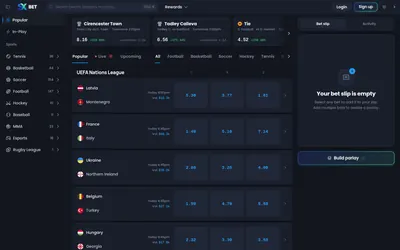

A crypto-funded peer-to-peer sports exchange with live and upcoming events, bet slips and supported multi-selection parlays.
- Access Web · API
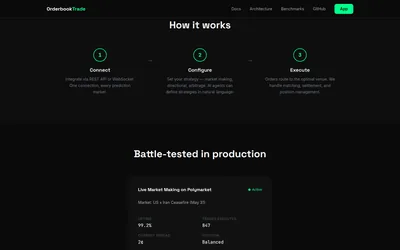

Integrate order actions, matching and market-making tools through shared API and WebSocket infrastructure.
- Access API
Frequently asked questions about Azuro
Is Azuro a Polymarket frontend?
No. It is an independent infrastructure ecosystem for applications built on its protocol and liquidity architecture.
What developer resources are available?
The documentation links an SDK and frontend toolkit, contract-integration guidance and deployment references.
Can I query indexed protocol activity?
Yes. The documentation describes subgraphs for reading indexed protocol data.
Where should I check settlement rules?
Use the knowledge hub and settlement-policy resources, including the responsibilities of providers and oracle-resolution participants.