 PredictionToolkit

What is POTS?
For prediction trading, start with Pots Market. The provider describes binary outcome orders signed by the user’s wallet through EIP-712, shared Polymarket CLOB liquidity and settlement on Polygon. This is the market-interface layer of the ecosystem, rather than a subscription to its token or staking activities.
Pots Money is separate: it covers IBS, reserves, protocol-owned liquidity, staking, auctions and treasury governance on BNB Chain. Its documentation distinguishes IBS participation from POTS governance and links to Snapshot, contract addresses and on-chain checks. IBS is described as an algorithmic token, explicitly not a stablecoin. A claimed collateral-floor design does not establish a continuously redeemable dollar peg, and the different chains and permissions must be understood for each product.
Who it is for
- People researching an alternative interface to Polymarket.
- Researchers studying treasury designs funded by trading fees.
- Users comparing the ecosystem’s token participation and governance roles.
Features and coverage
- Pots Market
The stated Polymarket integration offers binary outcome trading.
- Wallet-signed orders
The provider describes EIP-712 order signatures made by the user’s wallet.
- Shared order-book liquidity
The trading layer uses Polymarket’s shared CLOB liquidity.
- Pots Money treasury
Read about IBS, reserves and protocol-owned liquidity in the separate treasury layer.
- Different token roles
Distinguish IBS participation mechanics from POTS governance.
- Governance resources
Find Snapshot resources and explanations of treasury controls.
- Contract references
Follow canonical contract addresses and on-chain verification links for the product and chain.
- Learning material
Read introductory guides to DeFi and prediction markets.
Workflows with POTS
Choose the relevant product
Use Pots Market for prediction orders. Study Pots Money separately when investigating staking or treasury participation.
Inspect permissions
Match each requested wallet approval to the particular asset, chain and action.
Examine treasury claims
Inspect the actual contracts, liquidity and reserve definitions behind the stated collateral-floor mechanism.
Pricing and total cost
The ecosystem page does not show a complete prediction-trading fee table. Token purchases, staking and liquidity participation follow separate mechanics and are not a subscription to the market interface.
Getting started
Before you start: The provider explicitly describes IBS as an algorithmic token, not a stablecoin.
- Choose Market or Money on the official site.
- Read the documentation for that specific product.
- Verify its chain and canonical contract addresses.
- Inspect the requested wallet permissions.
- Review the order or protocol transaction before signing.
IBS is an algorithmic token rather than a stablecoin, and the Market and Money products operate on different chains.
Useful links
What to check
- The provider explicitly describes IBS as an algorithmic token, not a stablecoin.
- A collateral-floor claim is not a continuously redeemable dollar peg.
- Pots Market and Pots Money use different chains.
- The ecosystem page does not provide a complete market-trading fee table.
A closer look
Ratings & reviews
User reviews 0
The main score switches to user ratings after 5 published reviews.
A specific example helps the next person choose the right tool.
Related tools
Browse category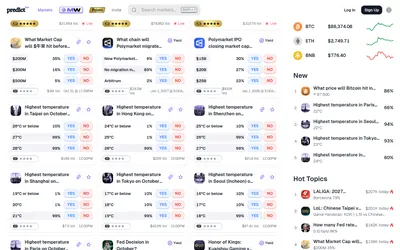

A BNB Chain prediction venue combining order books with variable Venus yield on eligible collateral.
- Access Web · API
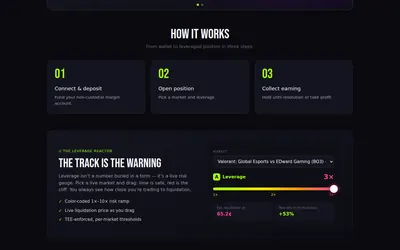

Leveraged Polymarket trading with borrowing terms and a liquidation threshold affected by interest and order-book depth.
- Access Web · API
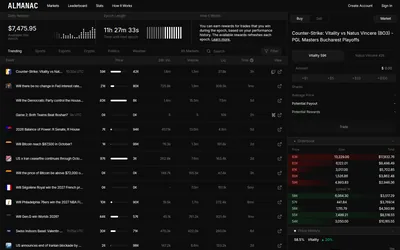

One initiative with distinct Polymarket trading-signal and forecasting-agent tracks, plus an early-access Alma presentation.
Frequently asked questions about POTS
Are Market and Money the same feature?
No. Market handles prediction trading; Money concerns treasury and token participation.
Where does prediction settlement happen?
The site names Polygon for the market layer.
Is IBS a dollar stablecoin?
No. The provider explicitly says it is not.
Are the two layers separate directory tools?
No. This profile describes them together as a single branded ecosystem while explaining their different roles.